What Is a Skeleton Loading Screen, and Why Do Sites Use Them?
4 min read · October 12, 2026
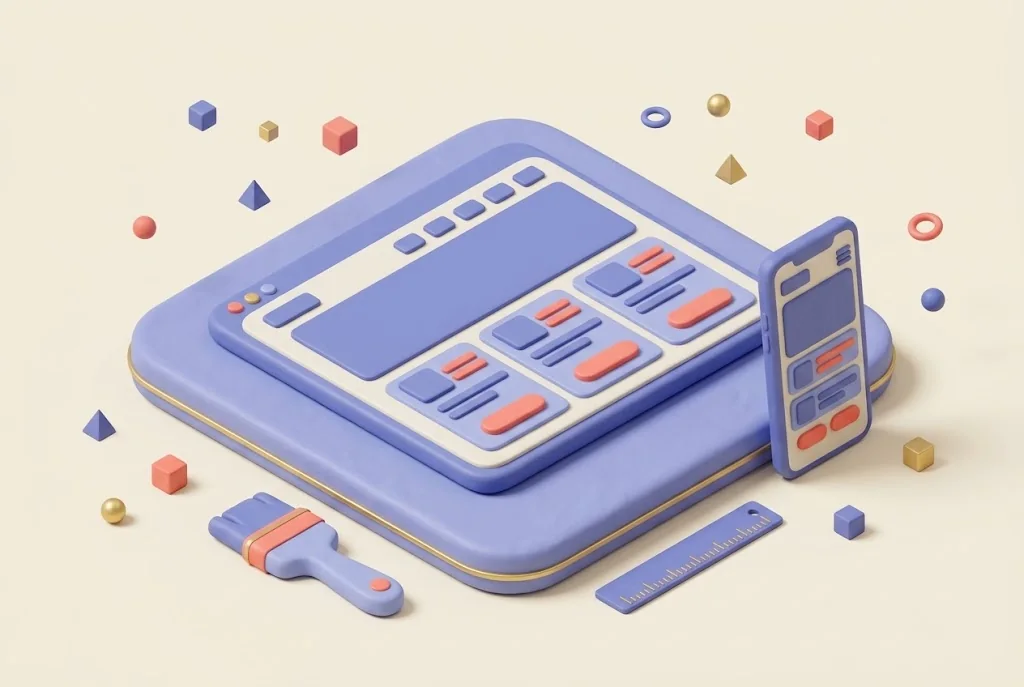
You have probably seen them without knowing the name. When a page or app is loading, you see gray boxes and bars in the shape of the content that is about to appear. That is a skeleton loading screen. It is a placeholder that shows the outline of the page before the real content arrives.
Why sites use them
The main reason is how waiting feels. A blank screen or a spinning circle makes people feel like nothing is happening. A skeleton gives them something to look at, shows where things will appear, and signals that content is on its way. Even when the actual loading time is unchanged, it often feels shorter.
Skeletons also reduce the jumpy effect where content pops in and pushes everything else around while you are trying to read.
Where they make sense
Skeleton screens are most useful when content is loaded after the page appears, such as:
- Product listings and search results
- Dashboards and account pages
- Social feeds
- Pages that pull in live information, such as availability or prices
Does your business website need one?
For most local business websites, probably not. Pages with mostly fixed content, like your services, about page and contact details, can load quickly enough on their own. If your pages feel slow, the better fix is to make them faster rather than to dress up the wait.
A skeleton screen is a polish feature. It does not replace speed. You can check where you stand with how to tell if your website is fast enough.
Things that do more for speed
- Properly sized and compressed images, with the right format. See what image format you should use
- Loading images only when they are needed, as in lazy loading vs regular image loading
- Serving files from locations closer to visitors, covered in what a CDN is and whether you need one
When it can help your site
If your site does have sections that load later, such as a booking calendar or a live product list, a simple skeleton can keep the page feeling stable. Keep it subtle, and make sure the layout does not jump when the real content arrives.
The goal is the same either way: a visitor should feel that your site responds right away. Fix the real speed problems first, then add the finishing touches if they still make sense.
See it in action
Voltify Commercial
A commercial electrician site built to win larger contracts in Seattle, WA.
You might also like
Want a website that loads fast and feels smooth from the first tap?
Durays Dev builds fast, clean, conversion-focused websites for growing businesses, with a free concept before you commit.
Get a free concept